
A Guide to Cannabis


What is Cannabis?
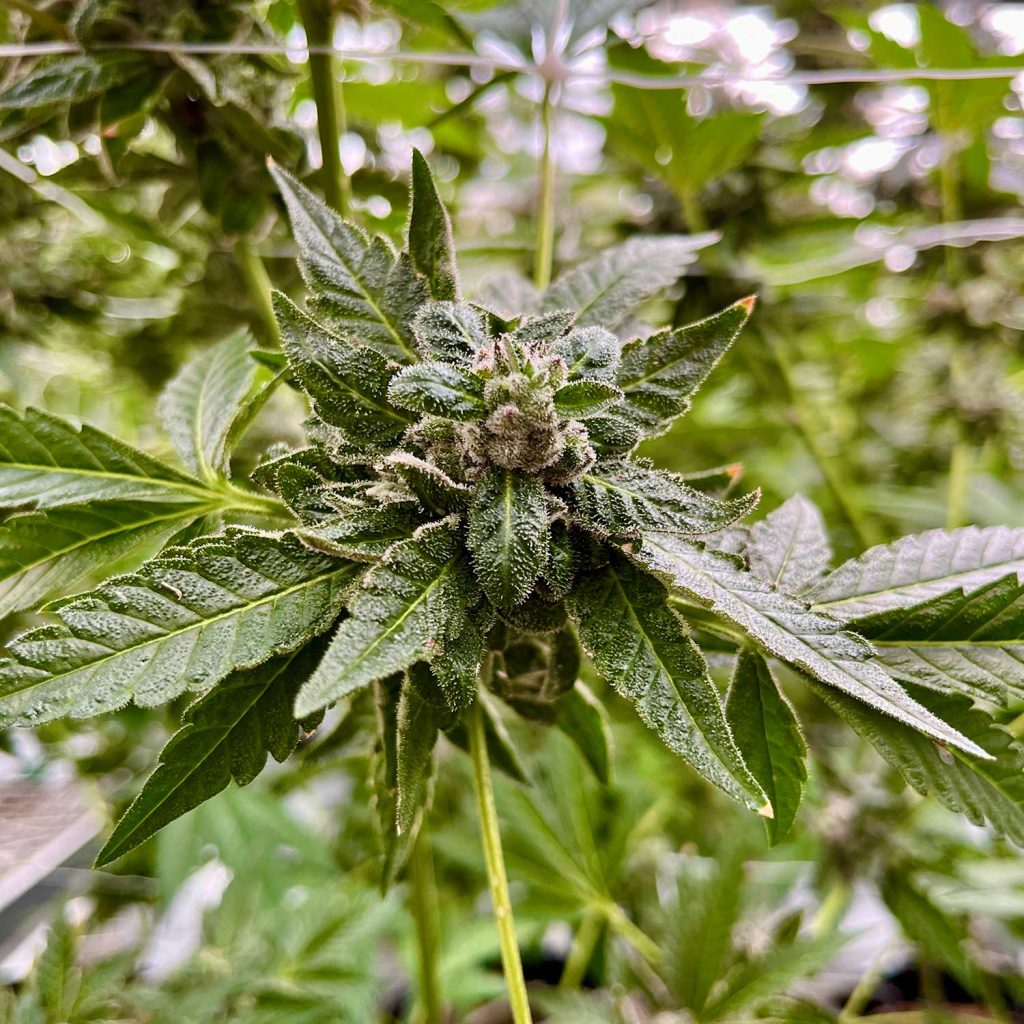
Cannabis is the botanical term for all the variations of the plant Cannabis sativa L., which is used to make marijuana and hemp. The differences between hemp and marijuana are noted by their chemical composition, what the plant variant is used for, and how it is cultivated.
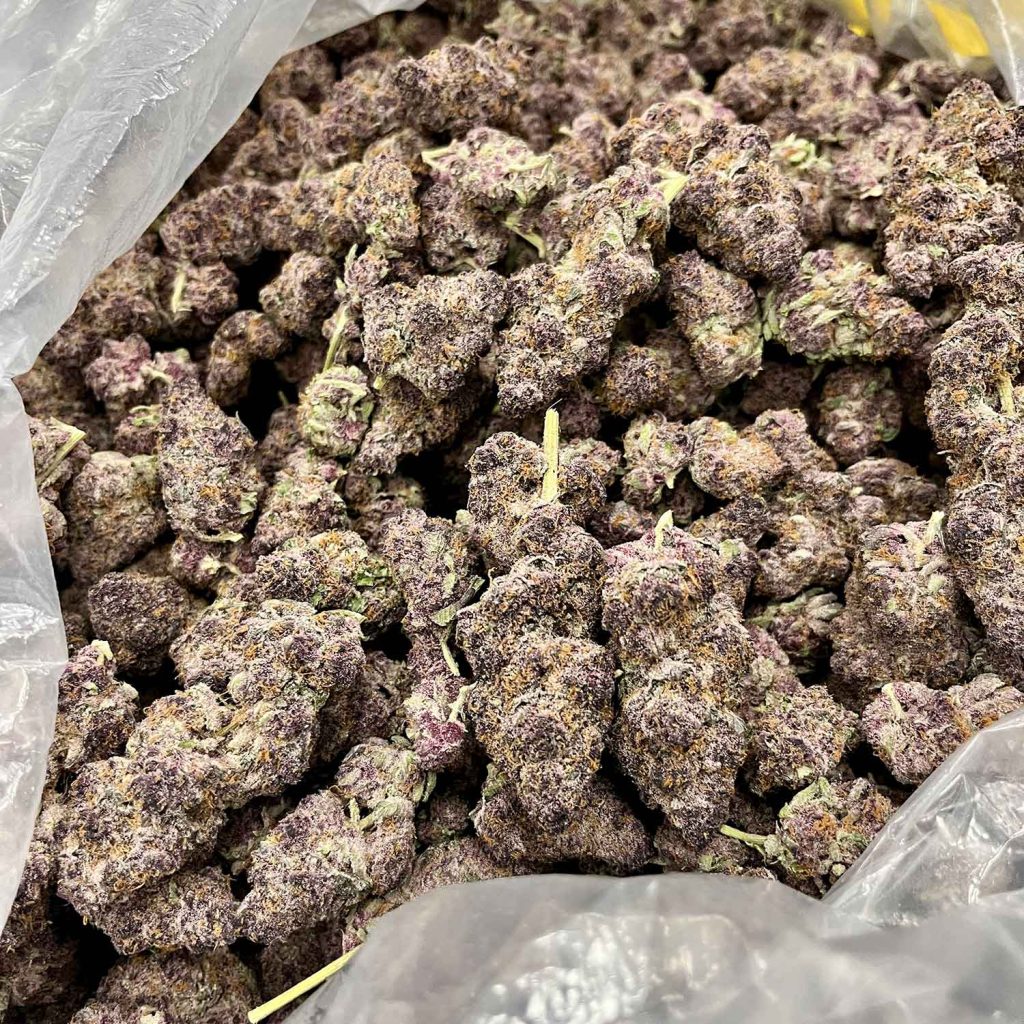
Marijuana is the statutory definition of the variations of the plant Cannabis sativa L. that are grown for medical or recreational use. To be considered marijuana, the plant must contain more than a 0.3% concentration of delta-9 tetrahydrocannabinol (THC or ∆9-THC), which has psychoactive properties. The flowers of the plant in particular are grown for this purpose.
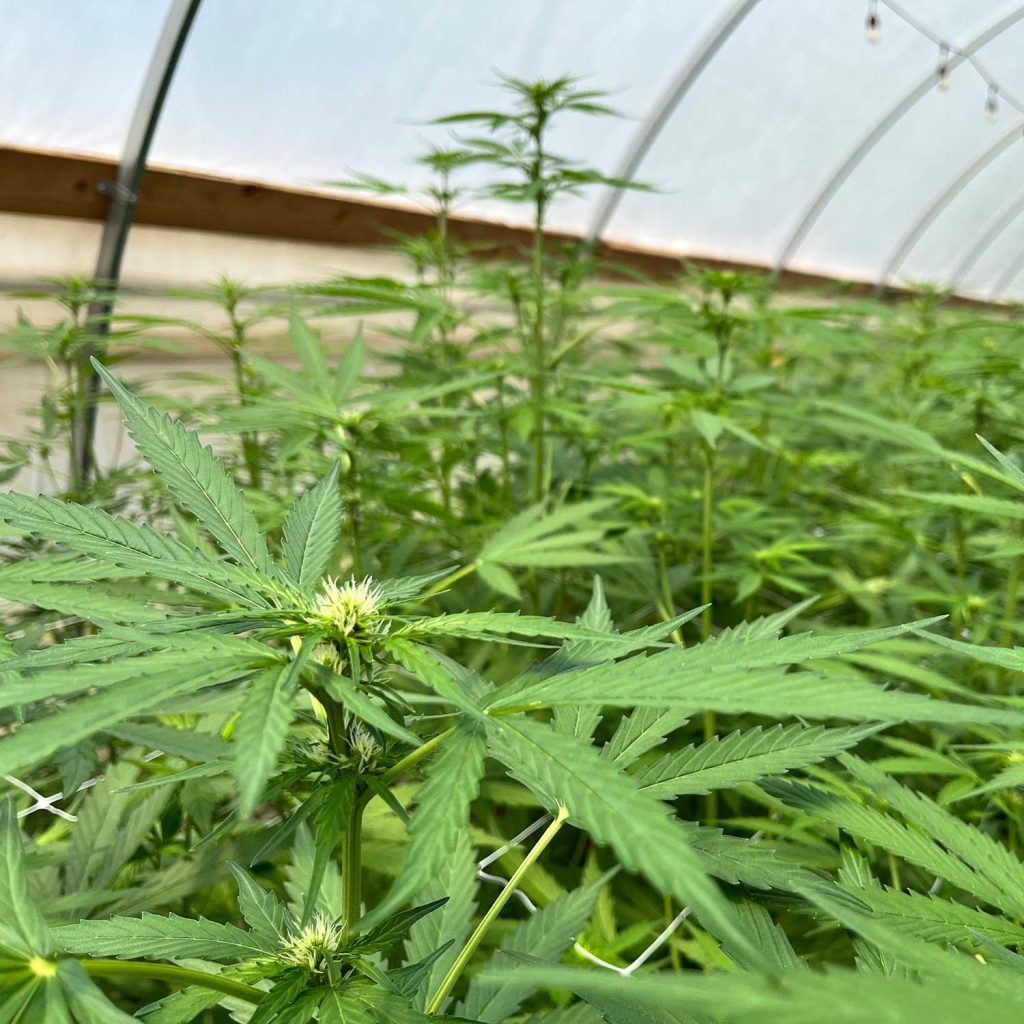
Hemp is the definition of the variations of Cannabis sativa L. that are not cultivated for their psychoactive properties. In order to be considered hemp, the plant must contain a 0.3% or less concentration of THC. The fiber, seed, and flower of the plant is used to create:
- Food and beverage products
- Personal care products
- Nutritional supplements
- Fabric and textiles
- Paper
- Construction materials
- Other manufactured and industrial products
The Endocannabinoid System (ECS)
The human body includes a system that uses cannabinoids produced within our bodies (endocannabinoids) to regulate multiple bodily functions. Cells throughout our bodies are covered in receptors to receive these endocannabinoids; however, they also respond to phytocannabinoids, which are cannabinoids found in plants, such as cannabis. Two endocannabinoids of note are listed below:
Anandamide (AEA)
Anandamide (AEA) is an endocannabinoid that mediates pain, appetite, memory, and depression, and it is synthesized in areas that are important for memory, motivation, and mood control.
AEA binds t0 CB1 receptors, which are located on nerve cells in the central nervous system (brain and spine), spleen, white blood cells, endocrine gland, reproductive tract, gastrointestinal (GI) tract, and urinary tract. When stimulated, the CB1 receptors produce marijuana-like effects on the psyche and on circulation.
In cannabis, delta-9 tetrahydrocannabinol (THC) produces similar effects to AEA. THC has psychoactive properties that can have a psychotropic effect at around 1% concentration.
2-arachidonoyl-glycerol (2-AG)
2-arachidonoyl-glycerol (2-AG) is an endocannabinoid that mediates inflammation, anxiety, muscle relaxation, plasticity, stress regulation, and autoimmune system response. It is considered to be anti-cancerous and anti-tumorous.
2-AG binds to CB2 receptors, which are located throughout the immune system, tonsils, and spleen. When stimulated, the CB2 receptors produce anti-inflammatory and anti-cancer effects.
In cannabis, cannabindiol (CBD) has similar effects to 2-AG. CBD is the primary non-psychoactive component in the Cannabis sativa L. plant, and high levels of CBD are generally found in hemp compared to marijuana, which makes it a potential metric in separating the two.
Bioavailability
According the American Heritage Medical Dictionary, bioavailability is “the degree to which a drug or other substance becomes available to the target tissue.” Cannabis bioavailability is dependent on how the product is administered, or taken into the body.
Inhalation
Inhalation is a route of administration that occurs when cannabis smoke or vapor is inhaled into the lungs, where it directly enters the blood stream.
Onsest: immediate
Duration: 2-4 hours
Bioavailability: 10-35%
Common Products: smokable flower and vape cartridges
Ingestion/Oral
Ingestion is a common route of administration, although its potency is reduced due to enzymes in the stomach, intestines, and liver breaking down many of the compounds. However, absorption can be improved by co-administration with higher saturated fats.
Onset: 30 minutes–2+ hours
Duration: 6-8 hours
Bioavailability: 8-15%
Common Products: gummies and other edibles
Sublingual
A sublingual route of administration occurs when a cannabinoid product is dissolved beneath the tongue, where it enters the bloodstream through the capillaries.
Onset: 15-60 minutes
Duration: 4-6 hours
Bioavailability: 6-20%
Common Products: tinctures and lozenges
Topical
Topicals are a route of administration where the cannabinoid product is applied directly to the skin. Topicals have the lowest bioavailability and are considered non-psychoactive, as they bind to the CB2 receptors in the skin instead of entering the bloodstream.
Onset: 15 minutes (non-psychoactive)
Duration: 2-4 hours
Bioavailability: N/A
Common Products: balms, bath products, cosmetics, lotions, and salves
Transdermal
Transdermal administration is similar to topical administration with the exception that the cannabinoid product is usually paired with carrier agents that help the active ingredients pass through the skin barrier and into the bloodstream. This makes transdermal products more bioavailable than topical products.
Onset: 15 minutes (possible psychoactive)
Duration: 4 hours (gel); 12 hours (patch)
Bioavailability: 100%
Common Products: patches and gel




Effects of Cannabis
Postive Subjective Responses
- Euphoria, which include overwhelming feelings of:
- Merriment
- Happiness
- Exhilaration
- A pleasurable “rush” or “buzz”
Sedative Responses
- Sedation (a drug-induced state of calmness, relaxation, or sleepiness)
- Drowsiness (feeling sleepy or lethargic along with a strong urge to sleep)
- Relaxation
- Changes in sleep
Negative Responses
- Agitation (an unpleasant state of extreme arousal), which can include:
- Anxiety (feelings of fear and worry)
- Restlessness
- Irritability
- Inability to stay calm
- Paranoia (feelings of distrust and suspicion)
- Confusion
- Aggression
- Panic attack (sudden, intense feelings of fear or panic)
- Dysphoria (a state of unease or general dissatisfaction)
Perceptual Changes
- Hallucinations
- Feelings seem stronger
- Sexual enhancement
- Spiritual enhancement
- Changes in time perception
- Changes in sensorial perception
Psychiatric/ Social/ Cognitive Changes
- Drug abuse
- Illusions
- Delusions (an unshakable belief in something that is untrue)
- Depersonalization (feeling detached from yourself and your surroundings)
- Heightened imagination
- Disinhibition (reduced or loss of control over emotions and actions)
- Emotional lability (rapid, exaggerated mood changes)
- Memory and concentration impairment
- Disorganized thinking
- Impaired judgment
- Confusion
- Increased sociability
- Talkativeness
Physiological Responses
- Nausea
- Tachycardia (unusually fast heart beat)
- Facial flushing
- Dry mouth
- Tremors
- Dizziness
- Increased appetite
- Ataxia (impaired coordination)
- Hyperemesis (severe, unmanageable nausea and vomiting and feeling faint or dizzy when standing)